Monday, August 17, 2015

Wednesday, August 5, 2015
DONT BE AFRAID OF THE MESS!
 | ||
| While painting together at the easel, Sonia and Ashley keep dipping their brushes into all of the paint containers. After they make a fascinating discovery that the paints have turned a muddy brown, the preschoolers abandon their brushes and begin to make handprints on the easel paper. Then, continuing this messy process, the four-year-olds giggle as they decide to paint-print each other’s faces! Because young children frequently make a mess with art media, you need to think through about how you feel about the mess. For example, did you feel that the girls were developing their cognitive skills as they experimented with color mixing? Did they discover that paint could be applied with a tool other than a brush? Were they learning about the concept of cause and effect? Was this a pleasurable social interaction between friends? Or, were you more apt to feel that they were making a mess because they ruined all of the paints and got paint all over themselves? With careful preparation, a well thought out arrangement of the environment, simple clean-up procedures, and a sense of humor, traditionally messy art activities, such as collage, paint, and clay can be a positive and enjoyable learning experience for everyone involved. Setting-up for Messy Media Organizing tools and materials ahead of time helps children to make choices by being able to see items at glance. If objects are disorganized to begin with, children are inclined to paw through the materials making an even greater mess. Use see-through boxes to hold and separate collage materials. Bring paint bottles to the table in a soda carrier. Provide weighted empty plastic bottles (put sand in the bottom) to securely hold an assortment of paintbrushes. Store clay in a small covered plastic garbage pail that can be easily moved to the art table. Place clay tools in a kitchen utensil caddy or a divided silverware basket from an old dishwasher. Help define limits for the children’s messy projects. Use cafeteria trays, dress boxes lined with foil and clean Styrofoam vegetable and fruit-trays – all with raised edges – to physically contain individual collage, paint, or clay activities. Sections on a table outlined in utility tape help provide boundaries so one child doesn’t spread her mess into another’s territory. Provide materials to cover up the children when it’s appropriate to keep the mess off them. Use old adults’ tee shirts with short sleeves for smocks. For really wet sloppy projects, create waterproof smocks with discarded, sanitized shower curtains or put on spongeable, child-size raincoats purchased at garage sales. Cover your table and floor surfaces, too. Messy newspapers – free for the asking – can be bundled up and thrown away. Shower curtains or inexpensive plastic tablecloths can be sponged off or shaken out by enthusiastic young helpers. Set up areas where individuals or small groups can work together comfortably without crowding. This keeps messy projects from becoming too overwhelming and spinning out of control. Four chairs and four paint trays send a clear message to children about how many participants can be involved in a project. Station a helpful staff member or a volunteer at a really messy activity to make suggestions and redirect “wild” experimenters. Be sure to have enough materials prepared (papers cut to size, glue bottles filled) and available on site. This way, young children can continue to work independently in a place designed especially for the mess, rather than searching the classroom for the needed materials with messy hands. Planning for an Easy Clean-up You need to plan for the clean-up process before messy activities begin or you could be inviting problems. In thinking ahead, for example by covering the table with newspaper, you are helping to facilitate taking care of the mess from the beginning to the end of a project. Your children will enjoy helping with this process if you make cleaning materials easily accessible. On the art table, put out paper towels and wet wipes so the children can remove gushy finger paint and squishy clay from their fingers. A thick cardboard strip can be used as a squeegee to remove excess finger paint from a cafeteria tray. Furnish sponges and spray bottles of water to clean tables, chairs, tools, or the tile floor. In a cooperative venture, your children can use a dustpan, broom, or hand brush to sweep collage scraps and dried clay bits off the floor. If your art area is carpeted, try using a heavy vinyl sheet or shower curtain on top of the rug to catch glue and paint drips. Consider putting the table and chairs inside of a child’s large plastic wading pool to contain really messy clay pieces or spilled paint. Have collection boxes handy to gather up used messy tools – finger-painting combs, splatter paint templates, clay sticks – to be washed later at the sink. Or, provide a small bucket filled with soapy water for soaking off glue and dried on clay particles. However, never soak paintbrushes in warm water as this loosens the glue and the bristles will fall out. Encourage children to wipe off excess glue so the bottles aren’t sticky when they put them away. Use picture labels on open shelves so children can replace collage materials in the right place. Locate an area out of the path of traffic to dry messy activities. A multi-lined clothes rack with clothespins works well to hang drippy paintings. Dry clay projects on wire or wooden racks. Carefully pick up heavy collages and dry them flat on sheets of waxed paper on shelves. Collage When the idea of using collage as an art medium is thought of, the word “mess” may come to mind. To prevent problems, organize and use materials in a planned space. A collage project where you can use a specific space involves the use of shoeboxes and lids. Using different shoeboxes, gather and store like materials. For instance, one shoebox may have straws, while others may have packing squiggles, pieces of lace or ribbons. On the day of the collage activity, have your children select a shoebox. Keep the lid on the shoebox for added suspense to increase the children’s interest. When the shoebox has been selected, the children remove the lid and place the lid’s surface on the table. The inside of the lid then becomes the holder of the project’s materials. As the children remove the collage materials from the shoeboxes, the materials are glued to the inside of the lid. This confines the collage materials to a specific space and prevents a “mess.” Because the children worked hard gathering all the materials at the discovery table, instead of throwing those materials away when they create a mess, use them in a “clean-up” collage. Give the children pieces of posterboard and glue. Have the children glue these “discovery” materials onto the posterboard. When all the materials are affixed, this collage may be displayed and labeled, documenting what learning occurred at the “Discovery Table.” During daily clean-up times, objects are often found that seem to have no specific place. Collect and place those items in a container. Turn those “messy clean up” items into a classroom texture collage project. Using four pieces of posterboard, label each piece with a texture category: hard, soft, rough and smooth. The children can glue those items on the appropriate texture category. Through this collage project, the children classify the “messy clean up” objects and find a place for those items. Paint Paints, whether finger paint, watercolor, or tempera, provide many opportunities for creativity and learning. By arranging paints in a specific manner, painting no longer has to be considered a “messy” project. A splatter paint art activity becomes “do-able” with the use of a shoebox, construction paper, plastic screening, brush (e.g. paintbrush, dog brush), and tempera paint. Line the bottom of a shoebox with construction paper. Have the children select an object (e.g. leaf, pinecone) from a collection of objects on a tray and put that object in the shoebox. Cover the top of the shoebox with plastic screening. For safety reasons, use plastic instead of wire screening. The children then dip a brush into tempera paint and “paint” the screening. This allows the paint to drop through the hole into the shoebox and onto the object and construction paper. When the object is removed, a silhouette of this object will appear, and the paint is confined to the shoebox. Finger painting may be a “messy” activity, but putting a spoonful of this paint on a cafeteria tray confines the paint to a specific area. After the children have created a finger paint design, a print may be made by placing construction paper over the design, pressing it by hand and carefully lifting the paper. Spray bottle art is fun when doing it at an easel. Line the “lip” of the easel with paper towels. Attach pieces of construction paper to the easel and give the children a spray bottle of liquid watercolor. The children can use their fine motor skills to squeeze or press the plunger of the paint bottle handle. As the paint is sprayed on the paper, any drops of paint drip into the easel lip. The paint “mess” is contained to the easel and is easily cleaned up. Clay Teachers often shy away from using natural or earthen clay because they feel it’s too messy or very difficult to care for. However, clay will provide a wonderful tactile experience for your children, quite different from the usual clay alternatives, such as play dough and plasticene. Introduce clay with a “hands-on” experience. Have the children place a manageable grapefruit size ball on a plastic placemat or square of burlap (paper takes the moisture out of clay). Let them roll it, flatten it, pinch it, poke it, and pound it. Talk about how it feels and what’s happening to the shape. When the clay becomes dry, encourage the children to spray their hands with water, never the clay or it will become a slippery mess. Magically, clean up all of the little dried clay crumbs by patting them with a wad of moist clay. Now your children are ready to use some tools and model with the clay. Let them explore making designs on pinched pots with Popsicle sticks, forks or buttons. Stick a handle on the pot with slip – a thin mixture of clay and water – which acts like glue. Accessories are fun to add to clay – put candles on an elegant birthday cake sculpture decorated with plastic flowers. After the children soak and scrub these items to remove any excess clay. Try putting them in a flat, waffle-weave, silverware container placed on paper toweling to drip dry. To help your children investigate the properties of clay try a recycling project. If left exposed to the air over time, the clay hardens. Place it in a plastic bag (to keep the dust down). Two at a time, allow the children to pound it with wooden mallets. After the dried clay is in little chunks, add small amounts of water and knead it into the clay. This project may take several days. When moist and pliable, be sure to keep the revitalized clay in a small, clean, covered, plastic garbage pail. Now it’s ready to use again! A Wonderful “Messy” Project Combine the techniques and materials of collage, clay and paint for a totally “messy” fun frieze. Select a classroom texture collage that was made. Have the children make an impression by turning the collage over and pressing the objects into a clay slab. Carefully remove the clay slab and place it on a cookie or grill rack to dry. This allows the air to circulate around the clay. Put damp paper towels over the clay edges so that it will dry evenly. When the clay impression is thoroughly dry, carefully remove it from the rack with a spatula. It is now ready for your children to use tempera paint to paint highlights on the impression. Conclusion By organizing space and using materials in a confined area, “messy” art projects no longer need to be avoided but can be enthusiastically used. Encouraging the Hesitant Child When a child is reluctant to try messy activities, here are some ways to help her get involved:
Do you hate to see the impulsive child head for the art area? Here’s how to make the situation more manageable for everyone.
Sandra Fisher is an Assistant Professor of Elementary Education and the Coordinator of the Early Learning Center at Kutztown University, Kutztown, PA. She has written Early Childhood Themes: Using Art Masterpieces. |
Friday, July 17, 2015

Monday, June 22, 2015
Summer Sanity Savers
 I’M BORED! The words that every parent dreads to hear. So, let’s change it up by letting GoNoodle save your sanity this summer. When you hear your child say, “I’m bored!” answer with these 5 questions from Kara B., GoNoodling teacher and mom from Cary, NC!
Have you…
B – Brainercized with Mr. Catman?
O – Online or off, checked out Camp GoNoodle activities for movement, creativity, and exploration? (Camp starts June 29!)
R – Regrouped, refocused, and relaxed with Maximo?
E – Exercised for at least 20 minutes with Mega Mixes or Fresh Start Fitness’s Total Motion?
Wednesday, June 10, 2015
DIY Dinosaur Fossils
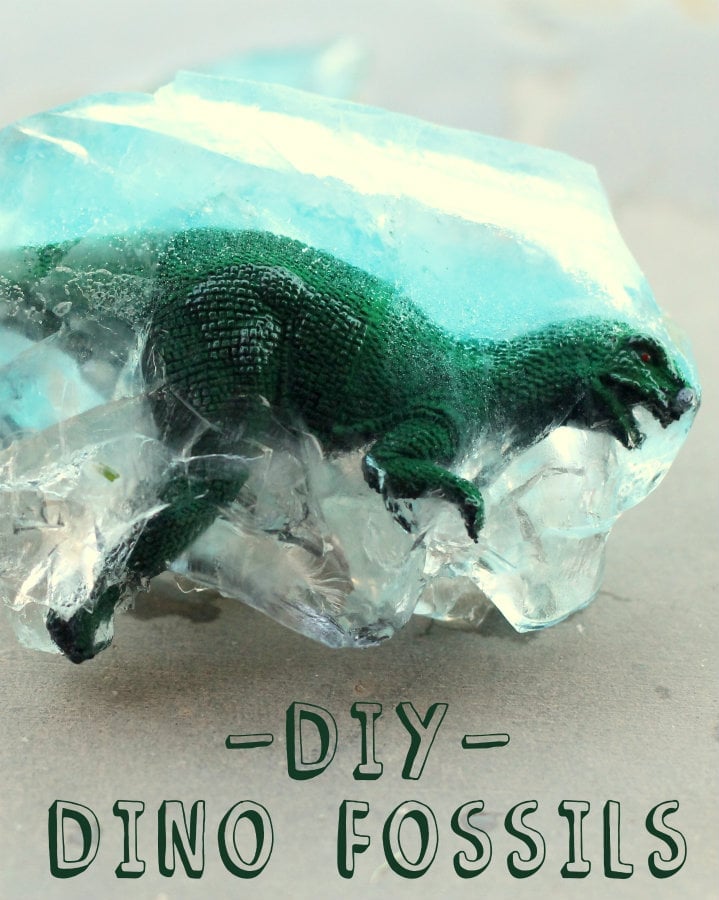
We also made some ice fossils. The kids thought this was BEYOND fun! I got the idea from HERE.
We had everything on hand, so it was a free and very fun project.
SUPPLIES:
– toy dinosaurs
– tupperware
– water
– food coloring (optional)
DIRECTIONS:

1. Fill your tupperware with water half way and add your dinosaurs. Mine floated, but don’t worry about that just yet.
2. Add food coloring.
3. Freeze in the freezer.

4. Take out your tupperware once it is completely froze. I did mine over night.
5. Now add more water to the top so dinosaurs are completely covered.


6. Take out your ice block. I ran my tupperware under hot water for a few seconds to help loosen it up.

7. This is the fun part… crack your ice open. We did this by dropping it on the cement. It was super fun!! LOL!


8. We broke away the rest with a small hammer. We got the rest of the ice off by putting it under hot water.
The kids thought this was the coolest activity because they felt like they were really “digging” out the dinosaurs and un-freezing them. I felt a little Encino Man-ish myself, if I’m going to be honest, but it was FUN!!
by
Wednesday, June 3, 2015

Friday, May 29, 2015
101 fun things to do this summer!
- Bake cookies for ice cream sandwiches.

- Volunteer at a nature center.
- Make a photo journal.
- Have a luau in the backyard.
- Visit the beach and collect shells.
- Make a fort out of cardboard boxes.
- Visit a farmer's market.
- Stage an A to Z scavenger hunt, where you have to find something that starts with every letter. H
- Pick berries.
- Have a picnic at a state park.
- Make ice cream. Tipograph loves using YayLab's ice cream ball, which you fill with ice cream base and kick around until frozen.
- Go canoeing at a local lake.
- Build a sandcastle.
- Write and illustrate your own book and have it published into an actual hardcover book using IlluStory.
- Forget cooking -- set up an ice cream sundae buffet for dinner.
- Clean up trash at a local park.
- Have a backyard campfire...or just use the grill! Roast hot dogs on sticks, pop popcorn and finish off with s'mores.
- Make homemade pizza.
- Go for a walk and then make a collage from nature objects you find along the way.
- Head to a creek and look at the ducks.
- Set up a lemonade stand..
- Have a water balloon fight.
- Practice your origami skills and make objects to hang from the ceiling.
- Go biking on a trail
- Interview an older relative about what life was like when they were young.
- Plan a picnic at a local park -- or in your backyard.
- Print out a list of children's books that have won Caldecott Medallions. Visit the local library throughout the summer and try to read as many as you can.
- Create salad spinner art: Place circles of paper inside a cheap salad spinner, dab tempera paints on top, cover and spin away.
- Practice making interesting shadow puppets and then put on a show with your characters.
- Plant a garden of herbs and veggies.
- Make a sidewalk chalk mural.
- Go ice blocking (sledding) in the grass with a towel-covered block of ice.
- Have an outdoor painting party using huge canvases or cardboard.
- Visit a fish hatchery.
- Plant a butterfly garden with flowers.
- Pretend to be pirates for a day -- dress up in costumes, plan a treasure hunt and talk like a pirate.
- Make an indoor sandbox using colored rice: mix 4 cups of rice with 3 tablespoons of rubbing alcohol and a few drops of food coloring and let dry overnight.
- Turn the backyard into a carnival -- set up a face painting area and games like ring toss.
- Make totem poles out of paper towel rolls and decorate them.
- Visit a museum you've never been to.
- Make a giant hopscotch or Twister game on the lawn (with spray paint) or driveway (with chalk).
- String beads into jewelry.
- Make a bird house out of Popsicle sticks.
- Learn about stargazing and identify as many constellations as possible -- see if there are any local astronomy groups for kids.
- Create leis with wildflowers.
- Go fossil hunting near a lake.
- Break out your baseball gloves and start a game, sandlot style.
- Make paper boats and race them in a kiddie pool using straws to propel them.
- Play mini-golf -- or set up a course in your driveway by laying different size containers on their sides.
- Make your own colored sand and create sand art.
- Get a map of the United States and mark off all the exciting places you want to visit -- create the ultimate road trip.
- Set up a net and play badminton and volleyball.
- Visit an amusement park or water park.
- Wade through a stream and search for minnows or tadpoles.
- Go zip-lining.
- Have a tricycle race at the park.
- Investigate an ethnic grocery store and make lunch using interesting spices and kid-friendly international recipes.
- Visit a fire station.
- Collect rocks and paint them to use as paperweights or pet rocks.
- Go roller skating.
- Visit a zoo or aquarium to learn about animals.
- Run through the sprinklers.
- Blend your own smoothie.
- Set up a bike wash and raise money for a local charity.
- Batter up at a batting cage.
- Let kids paint the sidewalk or patio with plain old water and sponge brushes. When their creation dries, they can begin again.
- Bake cupcakes in ice cream cones and then decorate them.
- Assemble a family cookbook with all your favorite recipes.
- Go horseback riding.
- Make popsicles in Dixie cups using fruit juices.
- Catch fireflies in a jar (and let them go at the end of the night).
- Stage your own Summer Olympics with races, hurdles and relays.
- Create a backyard circus -- kids can pretend to be animals and dress up as clowns.
- Decorate bikes and have a neighborhood Fourth of July parade.
- Take a sewing/crochet/knitting class.
- Make Mexican paper flowers using different colored tissue paper.
- Go to a flea market.
- Volunteer at an animal adoption organization.
- Visit a retirement home and read stories to residents.
- Attend an outdoor festival or concert.
- Pick a nearby town to visit for the day.
- Visit a cave.
- Get a map of your area, mark off all the local parks -- then visit them, take pictures and vote for your favorite.
- Take in a fireworks exhibit.
- Make crafts with recyclable items like stickers using old photos, magazines and repositionable glue.
- Make your own hard-to-pop bubbles with 1 cup of distilled water, 2 tablespoons of Dawn dish soap and 1 tablespoon of glycerin.
- Paint canvas sneakers with fabric paint pens or acrylic paint.
- Create three dimensional buildings using toothpicks and mini marshmallows.
- Make bird feeders by covering pine cones with peanut butter and rolling in birdseed.
- Paint with ice by freezing ice cube trays with washable tempera paint.
- Create unusual s'mores by experimenting with ingredients like cookies, bananas, flavored marshmallows and white chocolate.
- Have a fancy tea party.
- Make a giant slip-n-slide with a painter's tarp and shaving cream.
- Go camping in the backyard or at a campsite.
- Let kids paint each other with washable tempera paint, then wash it off in the sprinklers.
- Visit a national park and help the kids earn a junior ranger badge.
- Go to a ballgame and teach your kids (and yourself!) how to keep a scorecard.
- Set up a tent in the backyard to use as a summer playhouse.
- Take a free kid's workshop at stores like Lowe's, Home Depot or Pottery Barn.
- Have a game night with charades, Pictionary and bingo.
- Take a boring brown paper bag and have kids brainstorm creative things to do with it -- you'll be surprised at how many things you can come up with.
Subscribe to:
Posts (Atom)